Heartworms is one of Common Causes of Coughing in a Pet. Visit 1800Petmeds now to get proper Treatment of Heartworm for you pets and don't forget to look for 1800petmeds coupons - 25% off, petmeds coupon codes 25% offfor 1800petmeds coupon code 25% off if you want to save more on various treatments.
These are common parasites of the heart and lungs seen in both dogs and increasingly in cats. Heartworm disease is typically carried by mosquitoes and has been seen in most of the United States. While heartworm disease is mostly suspected in warmer weather, with milder winters, veterinarians are now increasingly diagnosing heartworm positive pets in the cooler months as well. Symptoms of heartworm disease can vary from asymptomatic pets to pets in severe heart failure. Pets may also develop a distended abdomen full of fluid from right sided heart failure. Coughing and exercise intolerance are common, as well as the development of left sided congestive heart failure that may lead to an accumulation of fluid in the lungs or chest cavity. Heartworms are usually diagnosed by blood testing at the veterinarian.
Recommended medications:
Furosemide
Furosemide is a diuretic used to treat fluid retention (edema) in dogs and cats with congestive heart failure, liver disease, or certain kidney disease. Furosemide is also used to treat high blood pressure. Furosemide for dogs and cats requires a prescription from your veterinarian, and is sold by the tablet.
For:
Cats and Dogs
Benefits:
Treats excessive fluid accumulation and swelling caused by heart failure and other health problems
Easy to administer
How it Works:
Furosemide is a potent diuretic which works by blocking the absorption of salt and fluid in the kidney tubules causing an increase in urine output.
Cautions:
Keep plenty of water available for your pet to drink. Furosemide can make your pet's skin sensitive to sunlight. There are possible adverse interactions with other drugs, so fully disclose to your veterinarian what you are giving your pet. This medication should not be used in pregnant or nursing animals.
Enalapril
Enalapril is used to treat mild, moderate, or severe heart failure and high blood pressure, and is usually used in combination with other medications. Enalapril requires a prescription from your veterinarian, and is sold by the tablet.
For:
Cats and Dogs
Benefits:
Helps the heart beat more efficiently
Prevents fluid buildup in the lungs
Lowers blood pressure
Improves ability to tolerate exercise
How it Works:
Enalapril is an angiotensin-converting enzyme (ACE) inhibitor. It works by blocking an enzyme in the body that is needed to produce a substance that causes blood vessels to tighten. As a result, the blood vessels relax. This lowers blood pressure and increases the supply of blood and oxygen to the heart.
Cautions:
Do not give your pet potassium supplements unless directed to by your veterinarian. Enalapril may cause birth defects. Do not give to pregnant animals.
Vetmedin
Vetmedin is used to manage certain types of congestive heart failure. It differs from other commonly used heart drugs because it helps the heart pump more efficiently. Vetmedin requires a prescription from your veterinarian.
For:
Dogs
Benefits:
Helps pets suffering from congestive heart disease
Shown to increase quality and length of life in pets
Increases the ability of the heart to pump blood
How it Works:
Vetmedin opens up the blood vessels that take blood away from the heart, effectively reducing work the heart does to pump blood. At the same time, Vetmedin opens up the blood vessels returning blood to the heart, reducing pressure on the heart.
Cautions:
If serious side effects or allergic reactions occur, stop giving Vetmedin and seek emergency veterinary medical attention.
1800PetMeds provides pet pharmacy, pet education to give your pet the best living condition. Save much on your purchase with 1800petmeds coupons - 25% off in year. Discover promo coupon and discount code for more value.
Showing posts with label 1800petmeds-Coughing-treatments. Show all posts
Monday, February 29, 2016
Wednesday, February 24, 2016
Treatment of heart disease in dogs and cats
Visit 1800Petmeds now to get proper Treatment of heart disease for you pets and don't forget to look for 1800petmeds coupons - 25% off, petmeds coupon codes 25% offfor 1800petmeds coupon code 25% off if you want to save more on various treatments.
Heart disease is common in both dogs and cats, and may occur in both younger (i.e genetic causes) and senior pets. There may be some structural problem with the heart muscle leading to weak, thick or insufficient contraction of the heart, or defects in the heart valves leading to a backward flow of blood, lung, heart or liver congestion. In rare cases infections may develop in the heart or valves, as well as heart tumors in older pets. While heart disease may be suspected based on physical exam and X-rays, additional testing including electrocardiograms and echocardiograms may be needed. Symptoms of heart disease may include nonspecific symptoms of lethargy, loss of appetite and weight loss.Varying degrees of exercise intolerance and labored or rapid breathing are also seen. Most pets with heart disease (except cats) will eventually develop a dry, nonproductive cough similar to pets with kennel cough or bronchitis. Treatment of heart disease will be based on the specific underlying cause of the heart disease from this extensive diagnostic veterinary workup. These may include drugs to reduce congestion such as Furosemide or Lasix, medications to dilate the blood vessels such as Enalapril or Benazepril, as well as medicines to help with heart contraction such as Vetmedin or Digoxin. The best tip for prevention of heart disease is to have all pets thoroughly examined at least once yearly by the veterinarian.
Recommended treatmemt:
HomeoPet Cough Relief
HomeoPet Cough is a homeopathic remedy for temporary relief of some minor symptoms of cough in cats and dogs.
For:
Cats and Dogs
Benefits:
Provides relief from coughing, including from kennel cough
all-natural herbal ingredients
No reported side effects
How it Works:
HomeoPet Cough contains a combination of natural, organic ingredients that when used together relieve minor symptoms of cough.
Cautions:
For pets under 1 lb place 1 or 2 drops in drinking water daily.
Clavamox
Clavamox is a broad spectrum antibiotic, a combination of amoxicillin and clavulanic Acid, used for infections caused by bacteria. Clavamox requires a prescription from your veterinarian, and is sold by the tablet. It is also available as oral drops.
For:
Cats and Dogs
Benefits:
Good for skin and soft tissue infections such as wounds, abscesses, and cellulitis
Effective for first-time skin infections and persistent pyodermas (skin inflammation marked by pus-filled lesions)
Proven to generally be a safe antibacterial treatment
How it Works:
Clavamox combines the broad-spectrum antibiotic activity of amoxicillin with the unique beta-lactamase inhibiting effect of clavulanic acid which makes this product effective against beta-lactamase and non-beta-lactamase producing organisms.
Heart disease is common in both dogs and cats, and may occur in both younger (i.e genetic causes) and senior pets. There may be some structural problem with the heart muscle leading to weak, thick or insufficient contraction of the heart, or defects in the heart valves leading to a backward flow of blood, lung, heart or liver congestion. In rare cases infections may develop in the heart or valves, as well as heart tumors in older pets. While heart disease may be suspected based on physical exam and X-rays, additional testing including electrocardiograms and echocardiograms may be needed. Symptoms of heart disease may include nonspecific symptoms of lethargy, loss of appetite and weight loss.Varying degrees of exercise intolerance and labored or rapid breathing are also seen. Most pets with heart disease (except cats) will eventually develop a dry, nonproductive cough similar to pets with kennel cough or bronchitis. Treatment of heart disease will be based on the specific underlying cause of the heart disease from this extensive diagnostic veterinary workup. These may include drugs to reduce congestion such as Furosemide or Lasix, medications to dilate the blood vessels such as Enalapril or Benazepril, as well as medicines to help with heart contraction such as Vetmedin or Digoxin. The best tip for prevention of heart disease is to have all pets thoroughly examined at least once yearly by the veterinarian.
Recommended treatmemt:
HomeoPet Cough Relief
HomeoPet Cough is a homeopathic remedy for temporary relief of some minor symptoms of cough in cats and dogs.
For:
Cats and Dogs
Benefits:
Provides relief from coughing, including from kennel cough
all-natural herbal ingredients
No reported side effects
How it Works:
HomeoPet Cough contains a combination of natural, organic ingredients that when used together relieve minor symptoms of cough.
Cautions:
For pets under 1 lb place 1 or 2 drops in drinking water daily.
Clavamox
Clavamox is a broad spectrum antibiotic, a combination of amoxicillin and clavulanic Acid, used for infections caused by bacteria. Clavamox requires a prescription from your veterinarian, and is sold by the tablet. It is also available as oral drops.
For:
Cats and Dogs
Benefits:
Good for skin and soft tissue infections such as wounds, abscesses, and cellulitis
Effective for first-time skin infections and persistent pyodermas (skin inflammation marked by pus-filled lesions)
Proven to generally be a safe antibacterial treatment
How it Works:
Clavamox combines the broad-spectrum antibiotic activity of amoxicillin with the unique beta-lactamase inhibiting effect of clavulanic acid which makes this product effective against beta-lactamase and non-beta-lactamase producing organisms.
Tuesday, February 23, 2016
Kennel cough in Cats and Dogs
Visit 1800petmeds and get proper Kennel cough treatment for beloved pets at reasonable price. If you want to save money, make sure to visit CouponSoHot and get 1800petmeds coupons - 25% off.
This syndrome is due to a combination of bacteria and viruses, most commonly seen in areas of pet crowding such as boarding kennels, grooming parlors and doggie parks. The most common causative agent is a bacterium known as Bordatella; however other organisms are frequently involved as well. While both cats and dogs may develop symptoms of kennel cough, the symptoms will vary between the species. Cats may develop symptoms of mostly upper respiratory disease, including sneezing and eye or nasal discharge. While dogs may also develop these symptoms, the chief sign of kennel cough in affected dogs is a dry hacking cough that may often sound like a goose honking.
Many cases of kennel cough will be self-limiting and resolve on its own within a week. Other cases may need cough suppressants, antibiotics or immune stimulants to assist the pet in recovery. The best prevention of kennel cough is to avoid overcrowding of pets, and keeping areas clean and dry. There are commercial injectable, oral and intranasal vaccinations available for kennel cough, however in my experience and opinion these vaccinations are not very effective.
Reboost Cough Relief Syrup
Reboost is a homeopathic, non-drowsy cough syrup/expectorant (formerly sold as Nectadyn). Its an all-natural formula made with honey and homeopathic ingredients. Reboost temporarily relieves minor chest congestion and cough due to colds and flu.
For:
Cats and Dogs
Benefits:
Homeopathic alcohol-free remedy, with no artificial flavors
Non-drowsy formula
No reported side effects
How it Works:
Reboost contains many homeopathic ingredients, including drosera rotundifolia, which is an anti-inflammatory. Reboost also contains ipecacuanha, a mucolytic agent which dissolves thick mucus, which helps relieve respiratory difficulties. Antimonium tartaricum is indicated for coughs due to chest congestion. Spongia tosta, made from roasted sponge from the sea, is also useful for cough and cold symptoms.
Super VitaChews For Dogs
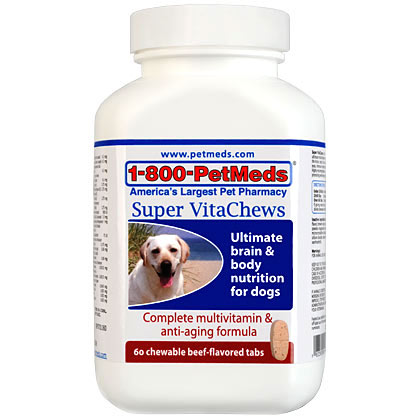
1-800-PetMeds Super VitaChews, a delicious beef-flavored chewable tablet that your dog will love, is the most complete and healthy multivitamin on the market today. Super VitaChews are ideal for all dogs but are especially beneficial for mature and aging dogs because each tablet is loaded with vitamins, minerals, and antioxidants. Super VitaChews' great anti-aging formula can benefit your dog's brain, heart, kidneys, eyes, liver, immune system, and coat. Your pet may also like Super VitaChews Soft Chews. Made in the USA.
For:
Dogs
Benefits:
Comes in a tasty beef flavored chewable tablet
No sugar and no preservatives
How it Works:
Among the ingredients in Super VitaChews are: L-Taurine which supports organ health, L-Glutamine which helps with proper digestion, including better absorption of nutrients and lowering the chances of diarrhea. There are also numerous other vitamins, minerals, and antioxidants - a formula benefiting the heart, liver, kidneys, eyes, immune system and coat, assisting in promoting well-being for dogs.
Temaril-P
Temaril-P is used to treat itching and coughing (including kennel cough) in dogs. Temaril-P requires a prescription from your veterinarian, and is sold per tablet.
For:
Dogs
Benefits:
Easy to administer
Comes in scored tablet to break in half for smaller dogs
How it Works:
Temaril-P contains trimeprazine and prednisolone. Trimeprazine is an antihistamine, which helps relieve itching and coughing. Prednisolone is a corticosteroid that reduces inflammation.
Visit 1800petmeds.com to see get more understanding about pets care.
This syndrome is due to a combination of bacteria and viruses, most commonly seen in areas of pet crowding such as boarding kennels, grooming parlors and doggie parks. The most common causative agent is a bacterium known as Bordatella; however other organisms are frequently involved as well. While both cats and dogs may develop symptoms of kennel cough, the symptoms will vary between the species. Cats may develop symptoms of mostly upper respiratory disease, including sneezing and eye or nasal discharge. While dogs may also develop these symptoms, the chief sign of kennel cough in affected dogs is a dry hacking cough that may often sound like a goose honking.
Many cases of kennel cough will be self-limiting and resolve on its own within a week. Other cases may need cough suppressants, antibiotics or immune stimulants to assist the pet in recovery. The best prevention of kennel cough is to avoid overcrowding of pets, and keeping areas clean and dry. There are commercial injectable, oral and intranasal vaccinations available for kennel cough, however in my experience and opinion these vaccinations are not very effective.
Reboost Cough Relief Syrup
Reboost is a homeopathic, non-drowsy cough syrup/expectorant (formerly sold as Nectadyn). Its an all-natural formula made with honey and homeopathic ingredients. Reboost temporarily relieves minor chest congestion and cough due to colds and flu.
For:Cats and Dogs
Benefits:
Homeopathic alcohol-free remedy, with no artificial flavors
Non-drowsy formula
No reported side effects
How it Works:
Reboost contains many homeopathic ingredients, including drosera rotundifolia, which is an anti-inflammatory. Reboost also contains ipecacuanha, a mucolytic agent which dissolves thick mucus, which helps relieve respiratory difficulties. Antimonium tartaricum is indicated for coughs due to chest congestion. Spongia tosta, made from roasted sponge from the sea, is also useful for cough and cold symptoms.
Super VitaChews For Dogs
1-800-PetMeds Super VitaChews, a delicious beef-flavored chewable tablet that your dog will love, is the most complete and healthy multivitamin on the market today. Super VitaChews are ideal for all dogs but are especially beneficial for mature and aging dogs because each tablet is loaded with vitamins, minerals, and antioxidants. Super VitaChews' great anti-aging formula can benefit your dog's brain, heart, kidneys, eyes, liver, immune system, and coat. Your pet may also like Super VitaChews Soft Chews. Made in the USA.
For:Dogs
Benefits:
Comes in a tasty beef flavored chewable tablet
No sugar and no preservatives
How it Works:
Among the ingredients in Super VitaChews are: L-Taurine which supports organ health, L-Glutamine which helps with proper digestion, including better absorption of nutrients and lowering the chances of diarrhea. There are also numerous other vitamins, minerals, and antioxidants - a formula benefiting the heart, liver, kidneys, eyes, immune system and coat, assisting in promoting well-being for dogs.
Temaril-P
Temaril-P is used to treat itching and coughing (including kennel cough) in dogs. Temaril-P requires a prescription from your veterinarian, and is sold per tablet.
For:Dogs
Benefits:
Easy to administer
Comes in scored tablet to break in half for smaller dogs
How it Works:
Temaril-P contains trimeprazine and prednisolone. Trimeprazine is an antihistamine, which helps relieve itching and coughing. Prednisolone is a corticosteroid that reduces inflammation.
Visit 1800petmeds.com to see get more understanding about pets care.
Monday, February 22, 2016
Causes of Coughing in Dogs and Cats
Get important information about Coughing in Dogs and Cats from 1800Petmeds and find out proper treatment for beloved pets. If you want to save money, make sure to visit CouponSoHot and get 1800petmeds coupons - 25% off.
Respiratory symptoms are fairly common presentations in the small animal veterinary clinic. Symptoms may involve the upper or lower respiratory tract and include any combination of the following: eye and nasal discharge, sneezing, wheezing, coughing, or more rapid or difficulty breathing. The two most common presenting symptoms of respiratory tract disease in dogs and cats are sneezing and/or coughing.
Why is my pet sneezing?
Pets will sneeze for one of two reasons. Either the mucous membranes of the nasal cavity are inflamed, or there is some sort of foreign material present in their nasal passages. Nasal membranes become inflamed if a pet was exposed to an irritant or if the pet has contracted an upper respiratory infection.
Common Reasons Dogs and Cats Sneeze: Most of the sneezing dogs and cats that veterinarians examine have contracted upper respiratory infections. Often the only symptom of these mild infections is the sneezing. Pets commonly get exposed to these microbes at kennels, doggie parks, grooming parlors, or pet stores. These colds are most commonly caused by airborne viruses and bacteria. One specific virus of cats that is often the root cause of sneezing is the feline herpes virus, also known as feline rhinotracheitis. Other viruses such as calici virus, as well as bacteria such as chlamydia and mycoplasma are also common causes of sneezing in our feline companions. Although sneezing may be the only sign of infection, most cats have inflamed eye membranes as well, and some may even have a low grade fever. Some cats are silent carriers of these respiratory viruses and bacteria and show little symptoms, however physical or emotional stress may trigger an outbreak in a susceptible animal.
The two most "common cold" viruses of dogs are the Parainfluenza virus and the Type-2 Adenovirus. Other bacteria including Pasteurella, bordatella, and Mycoplasma may also be involved. There are also many noninfectious causes of sneezing in dogs and cats as well. Household irritants, including dustry litter, perfumes, cleaners, cigarette smoke and many others may cause sensitive pets to sneeze. Pollens and molds in the air may also cause sneezing in allergic pets. Foreign bodies including grass or seedpods may also lodge in the nasal passages and cause sneezing and discharge. With one-sided nasal discharge and sneezing in older pets, nasal polyps and/or tumors must also be considered as differentials. Finally, tooth root abcesses involving the back upper premolar teeth may cause sneezing and nasal discharge as well. Certain breeds known as bracheocephalic breeds may have compressed nasal passages or a flat face, and are more likely to sneeze due to infection or irritants.
What causes my pet to cough?
Pets may cough for many reasons. Some of them are very minor, while some are more serious. Some pets will cough innocently if they drink water too fast, or coughing could be the first sign of more serious problems of the heart or lungs. No matter what the cause, irritation and/or inflammation of the larger and/or lower airways are involved with most cases of coughing in pets.
Common Reasons Dogs and Cats Cough: Certain breeds of pets with anatomic problems of their airways, including elongated soft palates may develop coughing at some point in their lives. This is often seen in brachyocephalic breeds of dogs, including Shi Tzus, Lhasa Apsos, Bulldogs, Pugs and Pekingese dogs. Flat faced Persian cats also may be predisposed to coughing. Toy breeds of dogs are especially prone to narrowed windpipes or trachea leading to a goose honk type cough, especially in pets that are overweight. Tooth and mouth infections, as well as pets prone to gum disease are also prone to developing secondary infections of the airways and subsequent coughing. Many small breeds may also be prone to migration of the infection from their mouths to the valves of the heart as well. That is why it is so important to maintain good periodontal health in our dogs and cats. Tonsil infections or tonsillitis, as well as kennel cough, or infectious tracheobronchitis, may also cause coughing in dogs and less frequently cats. When infection involves the alveoli of the lungs, pneumonia may develop and subsequent coughing. Distemper is now a rare virus seen in dogs, but affected pets may present with coughing and nasal discharge. Asthma or allergic lower airway disease is a very common cause of coughing in felines. Some cases of cats with herpes or rhinotracheitis virus will present with coughing as well. Long-haired cats are also prone to forming hairballs and secondary coughing. Migrating intestinal parasites may also cause a cough on occasion. Other causes of coughing include allergies and irritants, as well as lung tumors in older pets. Heart problems, including heartworm disease, dilated cardiomyopathy, mitral valve disease, and congestive heart failure may all cause coughing as part of the clinical presentation.
Visit 1800petmeds.com to see get more understanding about pets care.
Respiratory symptoms are fairly common presentations in the small animal veterinary clinic. Symptoms may involve the upper or lower respiratory tract and include any combination of the following: eye and nasal discharge, sneezing, wheezing, coughing, or more rapid or difficulty breathing. The two most common presenting symptoms of respiratory tract disease in dogs and cats are sneezing and/or coughing.
Why is my pet sneezing?
Pets will sneeze for one of two reasons. Either the mucous membranes of the nasal cavity are inflamed, or there is some sort of foreign material present in their nasal passages. Nasal membranes become inflamed if a pet was exposed to an irritant or if the pet has contracted an upper respiratory infection.
Common Reasons Dogs and Cats Sneeze: Most of the sneezing dogs and cats that veterinarians examine have contracted upper respiratory infections. Often the only symptom of these mild infections is the sneezing. Pets commonly get exposed to these microbes at kennels, doggie parks, grooming parlors, or pet stores. These colds are most commonly caused by airborne viruses and bacteria. One specific virus of cats that is often the root cause of sneezing is the feline herpes virus, also known as feline rhinotracheitis. Other viruses such as calici virus, as well as bacteria such as chlamydia and mycoplasma are also common causes of sneezing in our feline companions. Although sneezing may be the only sign of infection, most cats have inflamed eye membranes as well, and some may even have a low grade fever. Some cats are silent carriers of these respiratory viruses and bacteria and show little symptoms, however physical or emotional stress may trigger an outbreak in a susceptible animal.
The two most "common cold" viruses of dogs are the Parainfluenza virus and the Type-2 Adenovirus. Other bacteria including Pasteurella, bordatella, and Mycoplasma may also be involved. There are also many noninfectious causes of sneezing in dogs and cats as well. Household irritants, including dustry litter, perfumes, cleaners, cigarette smoke and many others may cause sensitive pets to sneeze. Pollens and molds in the air may also cause sneezing in allergic pets. Foreign bodies including grass or seedpods may also lodge in the nasal passages and cause sneezing and discharge. With one-sided nasal discharge and sneezing in older pets, nasal polyps and/or tumors must also be considered as differentials. Finally, tooth root abcesses involving the back upper premolar teeth may cause sneezing and nasal discharge as well. Certain breeds known as bracheocephalic breeds may have compressed nasal passages or a flat face, and are more likely to sneeze due to infection or irritants.
What causes my pet to cough?
Pets may cough for many reasons. Some of them are very minor, while some are more serious. Some pets will cough innocently if they drink water too fast, or coughing could be the first sign of more serious problems of the heart or lungs. No matter what the cause, irritation and/or inflammation of the larger and/or lower airways are involved with most cases of coughing in pets.
Common Reasons Dogs and Cats Cough: Certain breeds of pets with anatomic problems of their airways, including elongated soft palates may develop coughing at some point in their lives. This is often seen in brachyocephalic breeds of dogs, including Shi Tzus, Lhasa Apsos, Bulldogs, Pugs and Pekingese dogs. Flat faced Persian cats also may be predisposed to coughing. Toy breeds of dogs are especially prone to narrowed windpipes or trachea leading to a goose honk type cough, especially in pets that are overweight. Tooth and mouth infections, as well as pets prone to gum disease are also prone to developing secondary infections of the airways and subsequent coughing. Many small breeds may also be prone to migration of the infection from their mouths to the valves of the heart as well. That is why it is so important to maintain good periodontal health in our dogs and cats. Tonsil infections or tonsillitis, as well as kennel cough, or infectious tracheobronchitis, may also cause coughing in dogs and less frequently cats. When infection involves the alveoli of the lungs, pneumonia may develop and subsequent coughing. Distemper is now a rare virus seen in dogs, but affected pets may present with coughing and nasal discharge. Asthma or allergic lower airway disease is a very common cause of coughing in felines. Some cases of cats with herpes or rhinotracheitis virus will present with coughing as well. Long-haired cats are also prone to forming hairballs and secondary coughing. Migrating intestinal parasites may also cause a cough on occasion. Other causes of coughing include allergies and irritants, as well as lung tumors in older pets. Heart problems, including heartworm disease, dilated cardiomyopathy, mitral valve disease, and congestive heart failure may all cause coughing as part of the clinical presentation.
Visit 1800petmeds.com to see get more understanding about pets care.
Subscribe to:
Posts (Atom)